
POWER & BATTERY MANAGEMENT
Preparing a BMS or DC-DC Customisation Enquiry
Published by VOLUXIN · Updated 30 September 2026. General selection guidance; the agreed configuration-specific documents govern an order.
A useful B2B enquiry tells us what the equipment needs, which requirements are confirmed and which questions remain open. You do not need a final design to start discussing standard product supply or a custom configuration.
Begin with the commercial and application context
Provide a contact name, company and business email, then describe the equipment and its intended use. State whether you are researching, designing, evaluating samples or preparing production. Add quantities and target timing if known. These are project requirements to discuss, not a request to commit to an unconfirmed minimum order or delivery date.
Use the right technical brief
| BMS enquiry | DC-DC enquiry |
|---|---|
| Cell chemistry and exact series count | Minimum and maximum input voltage |
| Charge/discharge current and duration | Actual output voltage and tolerance |
| Controller/charger interfaces and protocols | Running, start-up and intermittent loads |
| Common/separate current paths | Module or enclosed construction preference |
| Dimensions, connectors and environment | Cooling, mounting, isolation and wake/control requirements |
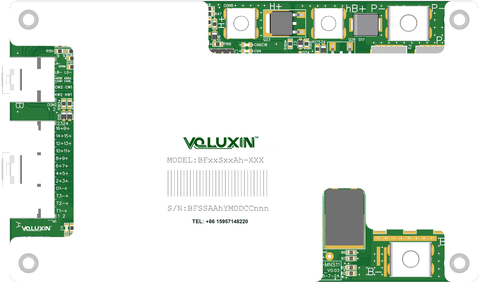
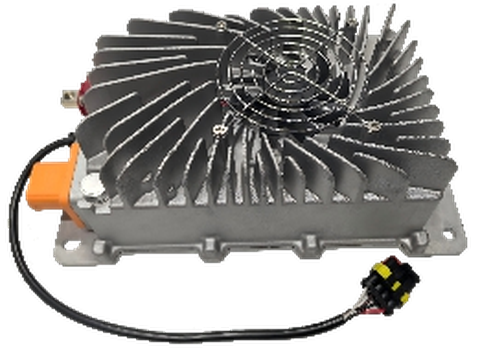
Reference the relevant industrial BMS models or DC-DC modules and converters when you have a starting point. If you do not, describe the requirement instead. A catalogue label should not replace the actual operating information.
Example of a clear enquiry
We are reviewing auxiliary power for an industrial vehicle. Our expected steady-state supply is 55–95V. We need to confirm the permitted load voltage and start-up demand before selecting an output option. Please review the 72V enclosed catalogue range as an initial reference. The final quantity and evaluation schedule are still open.
This is a fictional requirements example, not a completed customer project. It communicates known limits without turning uncertain values into product requirements.
What to agree before an order
- The complete ordering configuration, including any options or custom changes.
- The applicable specification, drawing and document revision.
- The scope, responsibilities and acceptance conditions for evaluation.
- The commercial terms, quantity, price and lead time for that configuration.
See the product supply and customisation process for the sequence. For technical preparation, use the BMS checklist or DC-DC load and input guide.
Keep sensitive designs out of the public form
Start with a non-confidential summary. Ask about a suitable document exchange process before sending proprietary drawings, source code or protocol files. The worksheet can be completed locally and used to organise the brief; it does not upload itself.
Download the requirements worksheet (CSV)
Common questions
Can I enquire without a selected model?
Yes. Choose the product interest and application in the enquiry form, provide the known requirements and leave undecided technical fields open.
Should I estimate values to fill every field?
No. Mark them as open questions. An invented input limit, cell chemistry or current condition can lead the discussion toward an unsuitable option.
How will I know the enquiry was saved?
The website displays an enquiry reference after a confirmed save. Keep that reference for follow-up. If saving is not confirmed, the form offers a retry using the same submission identity.
Tell us what your equipment needs.
Share your application, product requirements and any details you have already confirmed. We can then discuss the available options.
Discuss Your Requirements